Paint Protection Film Cost Explained: What Really Affects PPF Pricing
What goes into Paint Protection Film Costs?
Paint Protection Film, often called PPF, is a popular way to help protect a vehicle’s paint from everyday damage and environmental exposure. One of the first questions many drivers ask when learning about PPF is, “How much does paint protection film cost?”
Before getting into that, it is important to understand one key point. Professional installers set their own installation pricing. Film manufacturers do not control, set, or recommend installation prices. Because of this, PPF cost is better understood by looking at the factors that influence pricing rather than expecting a single universal number.
This guide explains the primary factors that drive those differences, so consumers can better understand and evaluate PPF quotes.
Key Paint Protection Film Cost Factors
– Paint Protection Film installation pricing is determined independently by professional installers.
– There is no single universal PPF cost because vehicles, coverage scope, and labor requirements vary.
– Coverage area is one of the most influential drivers of installation complexity.
– Vehicle size, body shape, and design features impact installation time and difficulty.
– Film construction and performance characteristics influence application requirements.
– Installer training and experience play a major role in final quality
What Is Paint Protection Film and Why Cost Varies So Widely
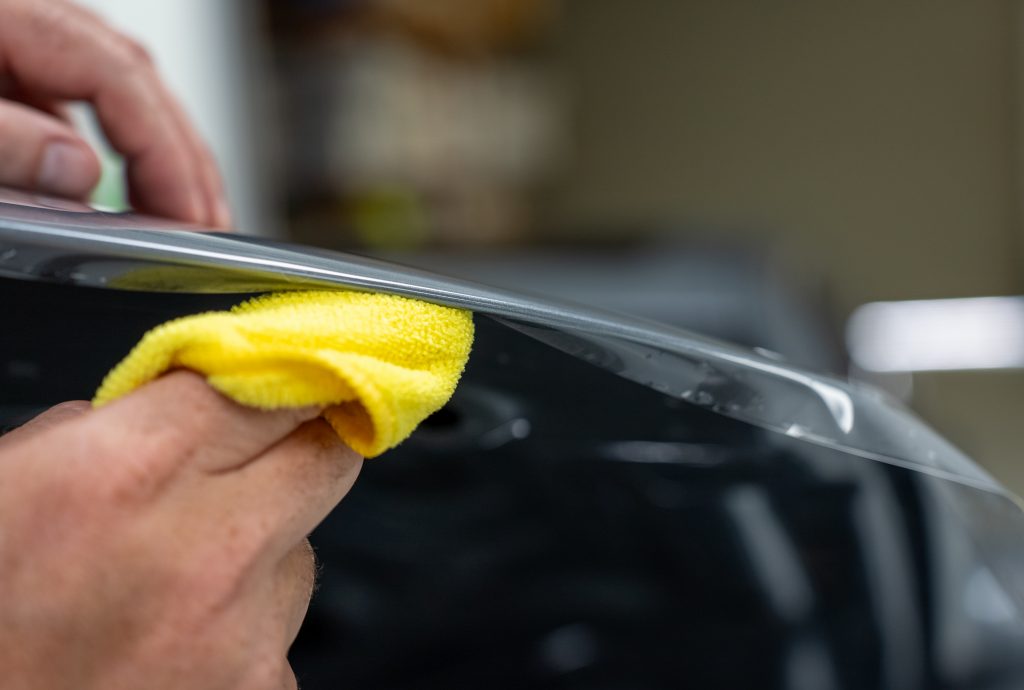
Paint Protection Film is a transparent, urethane-based film applied to painted vehicle surfaces to help protect against stone chips, scratches, abrasion, bug splatter, bird droppings, and other environmental contaminants. Modern PPF products often include self-healing topcoats, hydrophobic properties, UV resistance, and stain resistance.
While the protective function of PPF is consistent, the installation process is highly variable. Each vehicle presents different surface shapes, edges, and design challenges, which directly affect labor requirements and overall installation effort.
What Paint Protection Film Is Designed to Protect Against
Paint Protection Film is designed to act as a sacrificial barrier between a vehicle’s paint and common sources of damage encountered during everyday driving and ownership.
Common protection areas include:
– Rock chips and road debris
– Minor scratches and scuffs
– Bug splatter and bird droppings
– Tree sap and road grime
– UV exposure that can contribute to fading over time
– Express car washes
Why There Is No Single “PPF Cost”
Professional installers operate independent businesses. Installation services are not standardized for commodities and vary based on labor rates, experience, overhead, and service provided.
Because each installer evaluates vehicles differently and accounts for preparation time, complexity, and film selection, there is no universal or average PPF cost that applies across all situations.
The Primary Factors That Influence Paint Protection Film Cost
Coverage Area and Scope
Coverage scope is one of the largest drivers of installation effort. Larger coverage areas require more film material and additional labor time. Even limited coverage areas require precise alignment and finishing to maintain appearance.
Vehicle Size, Shape, and Design Complexity
Vehicles with complex curves, sharp body lines, aggressive styling, or integrated sensors require more labor and precision. Larger vehicles also increase material usage and installation time.
Film Type and Performance Characteristics
Paint protection films vary in thickness, finish, topcoat technology, warranty duration, and performance features. These characteristics influence how the film handles during installation and the level of preparation required.
Installation Skill and Experience
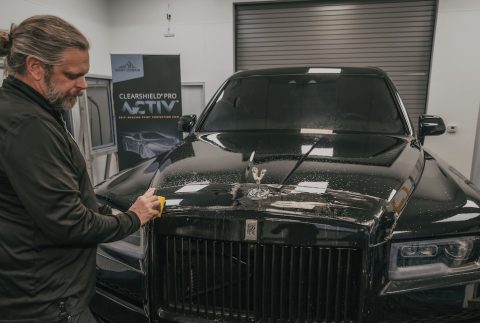
PPF installation is a skilled trade. Installer training, certification, and experience play a major role in consistency, finish quality, and long-term performance.
How Coverage Choices Affect Overall Cost Considerations
Different coverage approaches require different levels of material and labor investment. Partial protection focuses on high-impact areas, while front-focused or extensive coverage expands protection to more panels and surfaces.
Coverage should be selected based on driving habits, ownership goals, and exposure risk rather than assumptions about price alone.
Vehicle Characteristics That Increase Installation Complexity
Certain vehicle traits consistently increase installation effort:
– Larger overall surface area
– Aggressive or highly contoured body panels
– Integrated sensors, cameras, and trim
– Specialty or limited-production designs
Professional Installation Versus DIY Considerations
Some vehicle owners consider DIY paint protection film kits. While DIY options may reduce upfront cost, they also increase the risk of visible seams, improper adhesion, and reduced durability.
Professional installation typically provides more consistent results, warranty support, and long-term performance reliability.
PPF Cost Considerations Compared to Other Paint Protection Options
Paint Protection Film is often compared to ceramic coatings and paint sealants. These solutions serve different purposes.
PPF provides physical impact protection, while coatings primarily enhance chemical resistance and gloss. Cost considerations should reflect protection type rather than service pricing alone.
Common Misconceptions About Paint Protection Film Cost
Several assumptions commonly appear in discussions about PPF cost:
– Higher cost always means better film
– All installations take the same amount of time
– Film brand alone determines pricing
– Coverage size is the only factor that matters
In reality, cost reflects a combination of material choice, vehicle complexity, preparation work, and installer experience.
Long-Term Value Considerations
Beyond upfront installation considerations, many vehicle owners think about long-term value:
– Preserving factory paint condition
– Reducing cosmetic repair frequency
– Supporting resale or trade-in presentation
These factors relate to ownership goals rather than short-term pricing.
How to Evaluate PPF Quotes from Installers
When reviewing quotes, consumers should look for:
– Clearly defined coverage areas
– Film type and warranty information
– Surface preparation requirements
– Installation timeline and aftercare guidance
Frequently Asked Questions About Paint Protection Film Cost
Why do PPF quotes vary so much?
Installers operate independently and account for labor, experience, materials, and overhead differently.
Does higher cost always mean better protection?
No. Protection quality depends on film performance, installer skill, and proper application. Always work with a trusted dealer to find the best protection for you.
How long does paint protection film typically last?
Lifespan depends on material quality, environmental exposure, and maintenance practices, but many high-quality films have warranties ranging from 7-12 years.
Conclusion: Understanding PPF Cost the Right Way
Paint Protection Film cost reflects many variables rather than a fixed number. Understanding those variables helps you make informed decisions and evaluate installer quotes based on value, quality, and long-term protection rather than price alone.